Al Raed FC: Pioneers of Qassim Football Since 1954
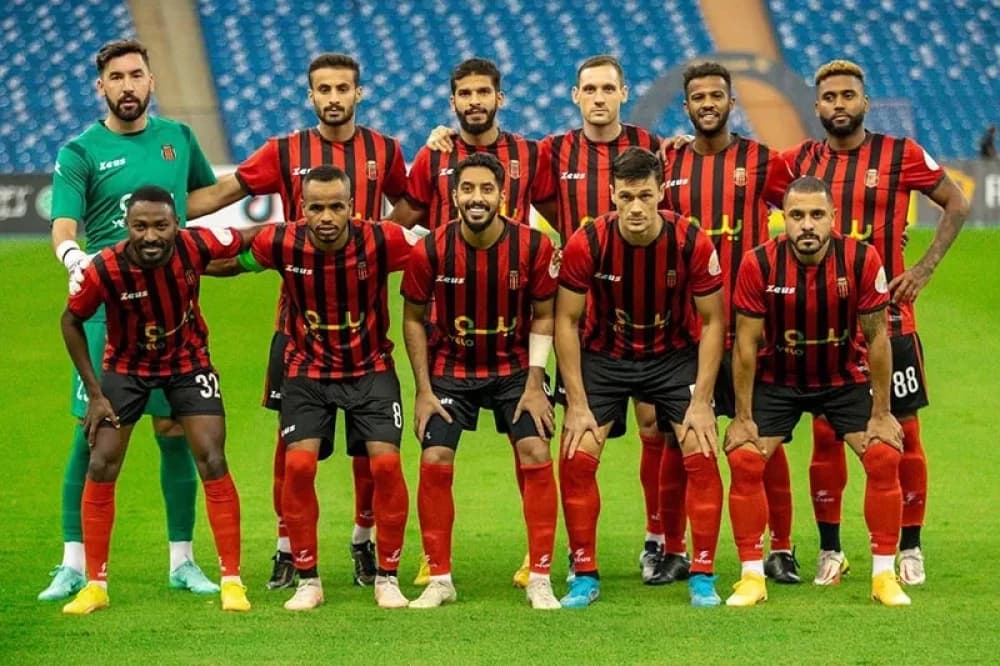
Founded in 1954, Al Raed FC has made a significant impact on Saudi football, promoting regional talent, nurturing community connections, and representing Qassim with pride in the national league.
Established in 1954, Al Raed Football Club is recognized as the premier professional football club in the Qassim region of Saudi Arabia. Located in Buraidah, the club has become a beacon of regional pride, playing a crucial role in the advancement of football in the heart of Saudi Arabia. Founded by visionaries such as Abdulaziz Al-Aboudi, Al Raed has established itself as a mainstay in the Saudi Pro League, where it has participated consistently since 2008. Referred to as “The Pioneers,” Al Raed exemplifies resolve and ambition. The club’s progression from local competitions to the Saudi Pro League tells a story of resilience and victory against challenges. Their rivalry with local team Al-Taawoun has further intensified the excitement surrounding their football narrative, with the highly competitive Al-Qassim derby embodying the fervor of their supporters.
The culture of Al Raed is deeply embedded in community and growth. The club has fostered a strong bond with its supporters in Qassim and beyond, playing a significant role in the advancement of football in the area. Their legacy as pioneers encompasses the development of talent and creating opportunities for young players to thrive. Hosting their home matches at the King Abdullah Sport City Stadium, Al Raed provides its fans with a central place to celebrate their football heritage. This stadium, which is also shared with their rivals Al-Taawoun, serves as a venue for exciting games that highlight the club’s spirit and potential.
Accomplishments of the Team
Al Raed’s journey is highlighted by significant milestones that emphasize their standing as a formidable competitor in Saudi football. The club marked its first significant achievement by qualifying for the Saudi Premier League in the 1980–81 season, becoming the first team from Qassim to reach the country's highest division. Their resilience has been showcased through multiple promotions to the Premier League, with Al Raed securing elevation six times between 1986 and 2007, showcasing their capability to recover from challenges. This determination has become a core aspect of the club’s identity.
Al Raed boasts two titles from the Saudi First Division League, achieved in the 1991–92 and 2007–08 seasons. These triumphs underscored the team's superiority in the second tier and their preparedness to compete at the highest level. Additionally, the club has been runners-up four times, demonstrating their ability to remain consistent amidst fierce competition. Although Al Raed has not yet claimed any trophies in the Saudi Pro League, their track record of maintaining a position in the top division illustrates their adaptability and competitive nature. These achievements continue to motivate both fans and players.
Strengths and Limitations
One of Al Raed's greatest strengths is their resilient team spirit and deep connection to the Qassim community. This bond enhances their performances, especially during the crucial Al-Qassim derby. Furthermore, the club's experience in handling promotion and relegation challenges has sharpened their ability to excel under pressure. Their scouting and development initiatives have been pivotal in identifying and nurturing local talent, making them a significant part of Saudi Arabia's football landscape. The ability to combine seasoned leadership with budding talent has enabled Al Raed to stay competitive, even when facing financial limitations compared to more affluent clubs.
Their strong emphasis on defensive stability has sometimes restricted their attacking capabilities. The insufficient depth in their front-line options can hinder their effectiveness in breaking through well-organized defenses, which is particularly crucial during closely contested games. Additionally, ongoing financial challenges limit their ability to reliably recruit high-profile talent. It will be vital for them to enhance their squad depth and incorporate modern training practices to overcome these issues.
Tactics and Playing Style
Al Raed employs a practical and disciplined strategy, concentrating primarily on solid defensive organization and counterattacking play. Their defensive line prioritizes compactness, reducing the opportunities for opponents to find space. This defensive capability is fundamental to their style of play, proving particularly effective against more formidable teams. Offensively, Al Raed capitalizes on quick transitions, utilizing swift wingers and inventive midfielders to take advantage of the openings left by rivals. Their proficiency in set-piece situations is another asset, with meticulously rehearsed plays resulting in vital goals during closely contested encounters.
The team often utilizes formations such as 4-4-2 or 4-2-3-1, which provide them with the ability to switch seamlessly between defensive and offensive strategies. The midfielders typically have a dual responsibility—protecting the defense while also spearheading counterattacks—making their role essential for the team's overall performance. Although they possess tactical advantages, Al Raed can occasionally find it challenging to retain possession against technically more skilled teams. Enhancing their capacity to regulate matches and apply consistent attacking pressure is crucial as they strive for improved standings in the league.
Memorable Matches
The promotion match of 1980–81 stands as a pivotal chapter in the history of Al Raed. This event marked their inaugural qualification for the Saudi Premier League, paving the way for their ascent as a leading club. The team's resolve in defeating Club K during the qualifiers was a significant moment that brought fans together in joyous celebration.
Another significant match in their history occurred in 2007 when they secured promotion, marking their return to the Saudi Pro League. This victory capped off a season filled with perseverance and dedication, highlighting the club's reputation as resilient fighters who refuse to back down.
The highly competitive Al-Qassim derbies against Al-Taawoun have significantly shaped their legacy. These matches transcend mere points; they embody pride, with unforgettable clashes often decided by narrow margins, showcasing the fervor and intensity of the rivalry. Notable performances during the 1991-92 and 2007-08 seasons, when they secured the Saudi First Division titles, are also integral to their history. These seasons were marked by consistent performances and an unwavering commitment to achieving top honors.
Looking Ahead
The future of Al Raed is centered around solidifying their standing in the Saudi Pro League and enhancing their legacy as the trailblazers of football in Qassim. By bolstering their youth development initiatives and broadening their scouting efforts, they aim to discover talent that can help maintain their competitive edge.
Investing in infrastructure and training facilities is crucial. By utilizing their collaboration with King Abdullah Sport City Stadium, the club has the opportunity to draw in more fans and improve player development, thereby establishing a solid foundation for sustained success in the future.
To enhance their attacking options and midfield creativity, strategic player signings will be essential in addressing existing shortcomings. As Saudi football gains more international attention, Al Raed has the chance to attract high-quality players and sponsors, which would bolster their financial stability and strengthen their squad depth.
In their pursuit of achieving mid-table stability and potential success in cup competitions, Al Raed’s management must strike a balance between ambition and careful planning. By taking the appropriate measures, the club can continue to motivate its dedicated fan base and strive to compete against the top teams in Saudi Arabia.