
Belfast Celtic: Legacy of a Historic Football Club
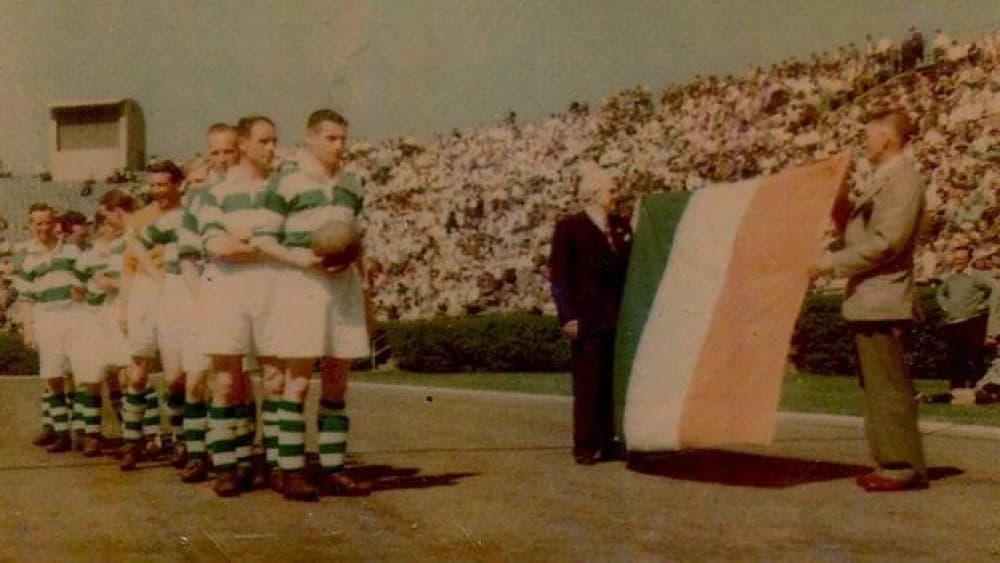
Founded in 1891, Belfast Celtic Football Club became a symbol of sporting excellence and cultural pride, leaving behind a powerful legacy that continues to inspire future generations.
Established in 1891, Belfast Celtic Football Club became a symbol of excellence in Irish sports, distinguished by a strong cultural identity linked to its mostly Catholic and Irish nationalist fanbase. Inspired by Glasgow Celtic, the club quickly turned into a key element of Belfast’s lively football scene, earning the affectionate nickname 'Paradise' for their home stadium, Celtic Park. Despite the political strife that often loomed over its history, Belfast Celtic represented something greater than just football—it embodied a sense of unity and pride for its community.
The club's exit from the Irish League in 1949 signified an unfortunate conclusion for a team that had come to symbolize excellence and style. Nevertheless, its legacy persists, cherished by those who recall its illustrious period. Even following its formal departure from competitive play, the name Belfast Celtic remains a powerful symbol of both sporting and cultural importance.
Achievements of the Team
Belfast Celtic boasts an impressive collection of trophies, including several Irish League titles. Their journey to prominence began with their first championship win in 1900 against their fierce rivals, Linfield. Upon returning to the league in 1924 after a break, the club experienced unmatched success by claiming four league titles in a row.
In the 1947–48 season, Belfast Celtic achieved a remarkable milestone by setting a European record of 31 consecutive victories across all competitions, a record that remains unparalleled to this day. Their prowess wasn't limited to domestic tournaments; during a tour of North America in 1949, they famously triumphed over a strong Scotland team with a score of 2–0 in New York City.
The club's achievements extended beyond just trophies. They developed a rich vein of talent, producing five international goalkeepers simultaneously, which highlighted their strength in nurturing players. Their ongoing success and commitment to the community established them as one of the premier teams in Irish football history.
Strengths & Weaknesses
The strengths of Belfast Celtic were rooted in their unparalleled winning mindset, a varied supporter base, and their capability to develop and attract outstanding talent. The team's impressive winning streak during the 1947–48 season showcased their tactical expertise, while their deep emotional ties with supporters granted them an unbeatable home-field advantage at Celtic Park.
Nonetheless, their political and cultural identity turned out to be a double-edged sword, exposing them to hostility and violence that reached beyond the football field. The incident on Boxing Day in 1948 laid bare their susceptibility in a deeply divided context, which ultimately led them to the choice of stepping back from competition.
Their ability to persevere through challenges was impressive; however, their dependence on strong leadership, particularly that of manager Elisha Scott, highlighted a possible vulnerability. Without solid institutional support, the club found it difficult to tackle the broader socio-political issues that impacted their activities.
Tactics and Playing Style
The playing style of Belfast Celtic was distinguished by its flair, discipline, and commitment to technical proficiency. The team's tactical adaptability contributed to their success across various competitions and eras. Their methodical strategy of building play from the defense and utilizing rapid counterattacks was pioneering for its time.
In their memorable matches, including the 1949 win against Scotland, they showcased precise finishing and solid defensive structures, effectively competing against stronger opponents. Their commitment to cultivating adaptable players, particularly goalkeepers, further highlighted their strategic vision.
The leadership of the manager was instrumental in shaping their tactical approaches. Elisha Scott focused on fostering teamwork and promoting tactical adaptability, which enabled the squad to navigate high-pressure scenarios with effectiveness. This capacity for adjustment became a defining characteristic of their success during their peak period.
Significant Matches
One of the most memorable matches for Belfast Celtic was the decisive league victory against Linfield in 1900, which marked the beginning of their ascent to prominence. The hard-fought 1-0 win demonstrated their resilience and commitment to establishing themselves as champions.
The Boxing Day match in 1948, despite being overshadowed by violence, stands as a pivotal moment in the club's history. In spite of the tragic events, it underscored the fierce rivalries and the enthusiastic support that the team garnered.
Their victory in 1949 against Scotland in New York, where they overcame a team that had just secured the British Isles Triple Crown, highlighted their tactical skill and international stature. This match emerged as a significant moment of pride for Irish football on the world stage.
Their last league game in April 1949 against Cliftonville, which ended in a dramatic 4–3 victory, truly captured the essence of the club. This match signified the conclusion of an era while reinforcing their legacy as fierce competitors.
Looking Ahead
Although Belfast Celtic officially stepped away from competitive football in 1949, their impact remains significant. The club’s heritage continues to be honored through historical retrospectives, documentaries, and the cherished memories of fans who share their stories across generations.
Initiatives to commemorate the club's legacy involve creating memorials and cultural projects that celebrate their contributions. These efforts ensure that their influence continues to inspire new generations of fans of Irish football.
Although Belfast Celtic will not return to competitive matches, their legacy still holds significant weight, especially in conversations surrounding the relationship between sport and identity. As contemporary clubs face various socio-political challenges, Belfast Celtic stands as a poignant illustration of both the difficulties and the unifying force that football can embody.
The absence of Belfast Celtic has never been fully compensated. Yet, their legacy continues to evoke a shared conviction in the lasting power of sport as a unifying force for community and pride.