
Empoli FC: A Small Club with Big Dreams
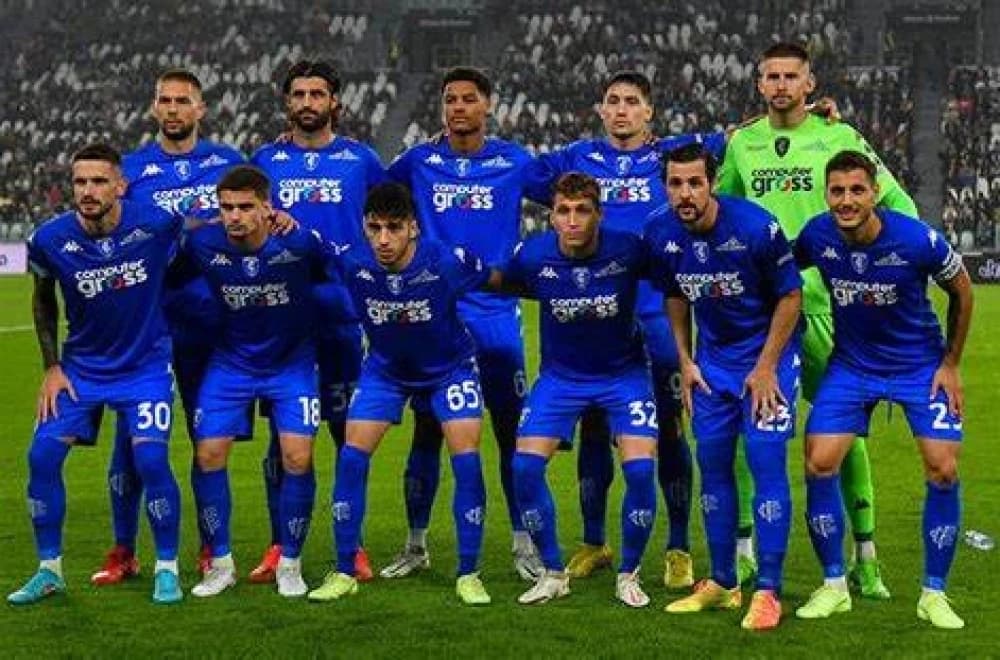
Empoli Football Club, a symbol of perseverance and ambition, demonstrates how a small-town team can thrive through youth development and community support in Italian football.
Empoli Football Club, established in 1920, originates from the charming town of Empoli in Tuscany. It stands out as one of the few Italian clubs not located in a provincial capital to have participated in Serie A, representing the very spirit of resilience and ambition in football. Despite its origins in a small town, the club has continually exceeded expectations, gaining recognition as a stronghold of determination within Italian football.
The club's history reflects a series of ups and downs, marked by promotions and relegations within the tiers of Italian football. Empoli has consistently focused on nurturing young talent and fostering a competitive spirit, which has allowed them to hold their own against much larger clubs.
Empoli's ascent to Serie A, beginning in the 1980s, represented a pivotal moment in the club's history. It signified more than just competing with Italy's top teams; it was about fostering a culture of perseverance. Today, the Azzurri (Blues) stand as a beacon of hope and motivation for smaller clubs aiming for greatness. Through a community-oriented strategy and a dedicated fanbase, Empoli has successfully maintained its foothold in professional football, reflecting the essence of Tuscany both on and off the pitch.
Achievements of the Team
In 1986, Empoli achieved their most significant milestone by securing their inaugural promotion to Serie A. Their first match in the top division was highlighted by an impressive 1–0 victory against Internazionale, firmly establishing their presence among Italy’s top teams. Notably, they succeeded in avoiding relegation that season, which was a remarkable accomplishment for a new entrant. The club reached another significant achievement in 1997 under Luciano Spalletti, when they earned a second consecutive promotion to Serie A. By finishing 12th in their returning season, Empoli solidified their reputation as a team that could overcome challenges.
During the 2006–07 season, Empoli secured qualification for the UEFA Cup, marking their first entry into European competition. Although they were eliminated in the qualifying round, this accomplishment underscored their development as a club. Additionally, Empoli is proud to be a breeding ground for talent, having produced several of Italy's prominent players, including Antonio Di Natale and Daniele Rugani, which has further solidified the club's standing in the football community.
Strengths and Limitations
One of Empoli's significant strengths lies in their capacity to cultivate young talent. Their youth academy has reliably produced athletes who have garnered both national and international recognition. This emphasis on skill development has established them as a club proficient in uncovering hidden gems. In terms of tactics, Empoli is recognized for their dynamic and flexible style of play, enabling them to effectively compete against more formidable opponents. Their dedication to teamwork and discipline frequently helps them to level the playing field during competitive matches.
Financial limitations have repeatedly posed a challenge for the club. They do not possess the means to keep their top players or make significant signings, which has resulted in a dependence on players from their youth academy and low-cost transfers. This financial imbalance frequently puts them at risk of relegation. Moreover, their struggle to maintain consistent performance over the course of multiple seasons presents an additional obstacle. Empoli has found it difficult to achieve long-term stability in Serie A, often facing relegation that disrupts their advancement.
Tactical Approach & Playing Style
Empoli’s tactical philosophy revolves around possession-oriented football, prioritizing quick and short passes to create opportunities from the back. This approach allows them to dictate the rhythm of matches, even when facing stronger opponents. Typically, the team adopts a 4-3-1-2 formation, concentrating on a solid midfield and full-backs who overlap. The trequartista (playmaker) is crucial, serving as the link between the midfield and the attack, a defining feature of their tactical approach across different coaching tenures.
Empoli benefits from its dynamic youth and technical skill, which makes their midfield a vital strength. The club prioritizes defensive structure, ensuring stability while seizing opportunities for counterattacks. However, their focus on attacking play can occasionally leave them vulnerable defensively, especially against teams that employ high pressing tactics. Striking a balance between their offensive ambitions and defensive stability continues to be an area that needs improvement.
Memorable Matches
Empoli's triumph over Internazionale with a score of 1–0 in their Serie A debut in 1986 is a monumental achievement. This victory marked their entry into Italy's elite league and established their reputation as formidable underdogs. The promotion to Serie A in 1997 under the management of Luciano Spalletti represented another significant milestone. Empoli's consecutive promotions underscored their tenacity and tactical acumen.
The conclusion of the 2006–07 season, which led to their qualification for the UEFA Cup, represents another significant chapter in their history. As a club from a small town, their capability to compete at such a high level highlighted their development and ambition. In 2019, Empoli’s thrilling 2–1 win against Fiorentina during the Tuscan Derby became an unforgettable moment for supporters. This intense rivalry consistently brings an additional layer of emotion and importance to their encounters.
Looking Ahead
The future of Empoli Football Club relies on their commitment to youth development. By persistently investing in their academy, the club can ensure a continuous flow of talent, allowing them to remain competitive in both Serie A and Serie B. It is also essential to bolster their financial stability. By obtaining profitable sponsorships and partnerships, Empoli will be better positioned to keep their top players and compete more effectively with wealthier teams.
From a tactical standpoint, the club should prioritize consistency in their performance. Establishing a long-term playing philosophy and investing in veteran players to support their young talent can help stabilize their overall results. The long-term viability of Empoli also hinges on their capacity to become a regular presence in Serie A. By building on their historical tenacity and the backing of their community, the Azzurri have the opportunity to create a legacy that transcends mere survival from relegation. Their narrative is one of commitment and aspiration, and their path holds the promise of inspiring forthcoming generations of football fans.