Inter Milan: A Journey of Tradition and Triumph
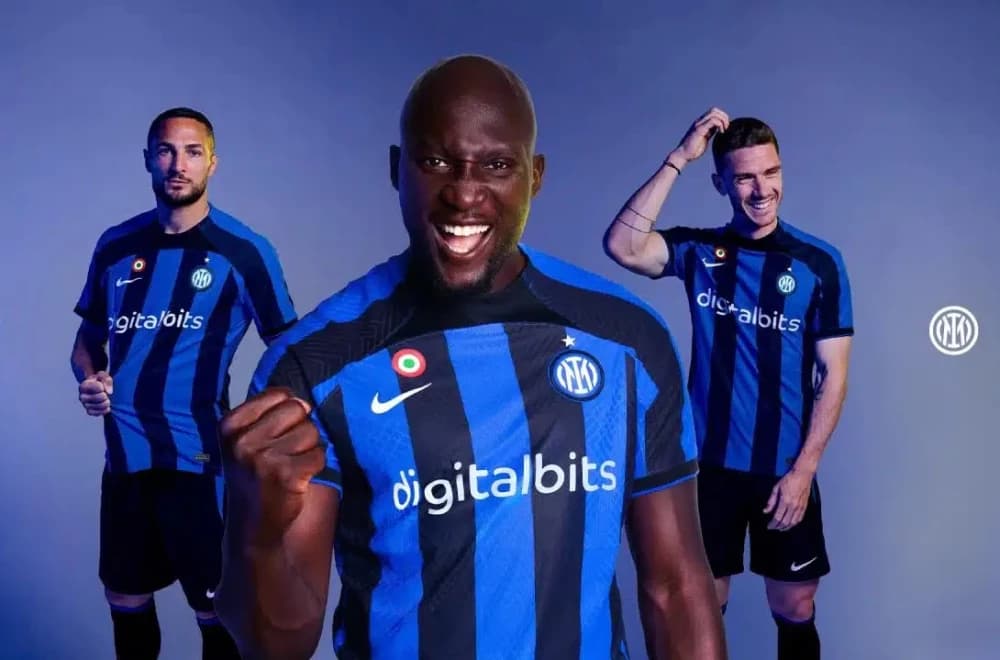
Inter Milan embodies a legacy of resilience and success, blending rich traditions with modern aspirations as they look to conquer both Italian and European football once again.
Established on March 9, 1908, Inter Milan, officially known as Football Club Internazionale Milano, represents a blend of tradition and progress in the realm of football. Formed following a division from AC Milan, the club was founded to promote internationalism, which is symbolized by its distinctive black and blue (Nerazzurri) stripes. Over the years, Inter has evolved into a cultural emblem, bringing together fans from diverse backgrounds under its values of inclusivity and ambition.
The core of Inter Milan is rooted in its resilience and international appeal. As one of Italy's most storied clubs, its journey through European football reflects a relentless quest for excellence. Sharing the legendary San Siro Stadium with their rivals AC Milan, the Derby della Madonnina serves as a continuous testament to Inter's unique identity and sense of pride.
Throughout the years, the Nerazzurri have showcased their footballing brilliance through extraordinary achievements and exhilarating moments. The Grande Inter period of the 1960s, led by Helenio Herrera, the club's supremacy in Serie A, and its recent revival mark significant chapters in its remarkable history. Inter continues to stand as a formidable force, not just in Italy but also on the global football stage.
The supporters of Inter, known as the Curva Nord, are recognized as one of the most fervent fanbases in football. Their passionate chants, vibrant banners, and steadfast loyalty create a unique atmosphere at every match, reflecting the strong connection between the team and its fans.
Club Accomplishments
Inter Milan's collection of trophies is a testament to its extraordinary achievements in both Italian and European football. With a total of 20 Serie A championships, Inter has established one of the most illustrious legacies in Italy's premier division. The club reached the pinnacle of its success between 2006 and 2010, winning five consecutive Scudetti, a period marked by outstanding consistency.
On the international stage, Inter Milan boasts an esteemed reputation as a three-time winner of the UEFA Champions League. Their consecutive victories in 1964 and 1965 during the management of Helenio Herrera firmly positioned Inter as a dominant force in European football. Additionally, their remarkable treble in 2010, which included victories in Serie A, Coppa Italia, and the Champions League under the guidance of José Mourinho, remains unparalleled in the landscape of Italian football.
Inter Milan's domestic successes include nine Coppa Italia titles and eight Supercoppa Italiana championships, highlighting their reliability in knockout tournaments. Additionally, the Nerazzurri have reached important continental and global achievements, securing three UEFA Cup titles (in 1991, 1994, and 1998), two Intercontinental Cups, and winning the FIFA Club World Cup in 2010.
From navigating the challenges of relegation in its formative years to emerging as a beacon of Italian football's prestige, Inter's achievements demonstrate its capability to adapt and grow. Each championship and accolade contributes a new chapter to a narrative defined by excellence and resilience.
Strengths and Limitations
Inter Milan features a well-rounded squad filled with talent and depth. Under the current leadership, the team has regained its status as a title contender, fiercely competing in both Serie A and European competitions. The defensive lineup, which includes seasoned center-backs and a top-notch goalkeeper, is one of Inter’s greatest strengths. The midfield, led by skilled playmakers, allows Inter to dictate the pace of matches while also supporting a dynamic attacking lineup with forwards who can slice through adversaries' defenses.
A key strength of Inter is its tactical discipline and physical toughness. The team excels in high-stakes matches, especially against formidable opponents. The presence of players with extensive big-match experience contributes to their mental resilience, making Inter a formidable opponent to overcome.
Despite Inter's notable strengths, inconsistency poses a significant issue, especially against lesser teams where the squad sometimes finds it challenging to overcome defensive formations. Additionally, injuries to crucial players have underscored the necessity for improved squad rotation and added depth in specific positions.
Moreover, while Inter boasts solid defensive capabilities, the team sometimes struggles against opponents that utilize a fast-paced, counterattacking approach. There is a need for enhancement in the team's ability to shift to a defensive stance during swift breaks, particularly in European matches where speed and accuracy are essential.
In order to capitalize on their current achievements, Inter needs to identify ways to maintain consistency and enhance their squad depth to navigate through a lengthy season. By tackling these issues, Inter has the potential to reaffirm its status as a leading club both in Italy and across Europe.
Tactics and Style of Play
Inter Milan boasts a deep tactical heritage that continues to shape its contemporary style of play. Traditionally associated with the catenaccio system during the era of Helenio Herrera, Inter forged its reputation on robust defensive structure complemented by quick counterattacks. In the present day, the club melds this historical approach with a modern philosophy, striking a balance between pragmatic play and offensive ambition.
Inter typically employs a 3-5-2 formation, prioritizing defensive strength while enabling full-backs to contribute offensively. The squad maintains a compact defensive structure and exhibits disciplined midfield coordination to dominate matches. Their playing style emphasizes rapid transitions and accurate passing, which allows them to take advantage of gaps left by their opponents.
The midfield serves as the backbone of the team, delivering both creativity and control. Players positioned deeper on the field orchestrate the game, while those in advanced roles connect with forwards to generate scoring chances. Offensively, Inter excels in combination play among their strikers, emphasizing quick movement and precise finishing.
Inter places a strong emphasis on defensive organization. Their well-organized backline challenges opponents by making it difficult for them to exploit openings, while the midfield often supports the defense when necessary. This defensive setup allows Inter to effectively counter teams that control possession. The focus on swift counterattacks, coupled with their aerial strength during set pieces, is a vital tactic in crucial matches.
Inter's tactical flexibility enables them to adjust their approach against various opponents, which adds to their unpredictability. With effective management in place, this blend of traditional tactics and contemporary strategies continues to influence their success on the field.
Iconic Matches
In the 1964 European Cup Final, where Inter triumphed 3–1 over Real Madrid, this win represented Inter’s inaugural European Cup title and served as a pivotal moment in the club’s history. Sandro Mazzola’s two goals cemented this landmark victory, firmly positioning the Nerazzurri among the elite clubs in Europe.
In the 2010 Champions League Final (Inter 2–0 Bayern Munich), managed by José Mourinho, Inter achieved a historic treble, becoming the first Italian club to secure Serie A, Coppa Italia, and the Champions League titles in a single season. The two goals scored by Diego Milito have since become legendary within the club's history.
In the 2009–10 Coppa Italia Final (Inter 1–0 Roma), the match showcased Inter’s resilience and determination. Milito’s decisive goal clinched an important trophy on their journey towards achieving a historic treble.
Derby della Madonnina (Inter 6–0 AC Milan, 2001): This match is remembered as one of the most one-sided victories in derby history, highlighting Inter’s superiority and now stands as a treasured moment for supporters of the Nerazzurri.
These legendary matches represent Inter’s successes both domestically and internationally, highlighting the club’s capacity to rise to the challenge and create a lasting legacy in the history of football.
Looking Ahead
Now that Inter Milan is under the ownership of Oaktree Capital Management, the club is embarking on a promising new chapter filled with anticipation. Achieving financial stability will be crucial in ensuring the team remains competitive in both Serie A and European tournaments for the long term.
The current roster of Inter Milan features a remarkable blend of experienced players and rising stars, laying a solid groundwork for future achievements. The club prioritizes the development of young talent while also keeping a strong base of veteran players, which promotes both sustainability and progress. Inter's immediate objective is to take charge of Serie A, aiming to reclaim the Scudetto, alongside pursuing significant success in the UEFA Champions League. With a distinct tactical approach and high-caliber talent, Inter is well-positioned to compete against Europe’s elite clubs and enhance its illustrious collection of trophies.
Beyond the pitch, plans to renovate or move away from San Siro could indicate a pivotal change for the Nerazzurri. Updating the infrastructure is expected to enhance Inter's international profile while boosting revenue streams. With strong leadership and a forward-looking vision, the future for Inter Milan appears promising. The club is well-positioned to uphold its esteemed tradition of excellence and is eager to embark on new chapters in its remarkable history.