
Discover the Legacy of San Siro Stadium
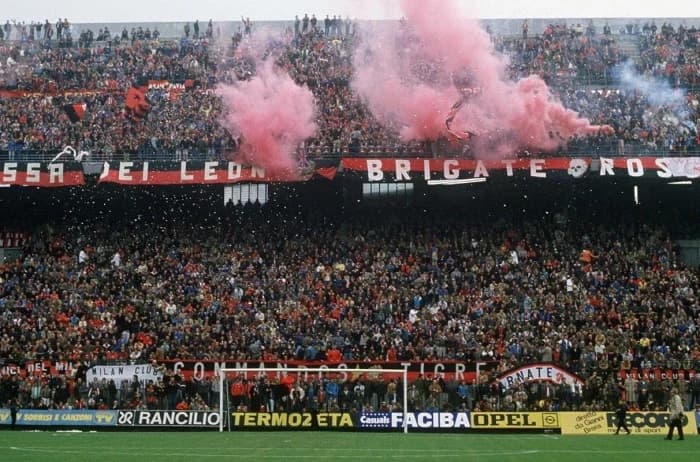
San Siro Stadium stands as an enduring symbol of Milanese football heritage, hosting legendary matches and offering fans a unique atmosphere that blends history with modernity.
The San Siro, officially known as Stadio Giuseppe Meazza, transcends being merely a football stadium; it stands as a universal emblem of sporting excellence and a pivotal element of football history. Located in the San Siro district of Milan, Italy, this legendary venue embodies the city’s fervor for the beautiful game. With the ability to seat 80,018 spectators, it is the largest stadium in Italy and ranks among the most renowned worldwide. This iconic site is the shared home for two football giants, AC Milan and Inter Milan, whose fierce rivalry is one of the most passionate and storied in the sport’s history. For nearly a century, the San Siro has been a sacred ground where legends emerge, rivalries ignite, and unforgettable moments unfold.
This magnificent stadium is not merely a local gem; it stands as a global symbol of football culture. Its striking architecture, famous for its distinctive design and towering red girders, commands the Milan skyline, attracting fans and visitors from around the world. From the thunderous cheers of the crowds during Serie A matches to the exhilarating atmosphere of international events, the San Siro captures the essence of football in its most authentic form.
Designated as a UEFA Category Four venue, the San Siro has been the host of many esteemed events in football history. It has provided a backdrop for memorable UEFA Champions League finals, matches in the FIFA World Cup, and various other significant tournaments, reinforcing its status as a location that offers remarkable experiences. For supporters, being part of a game at the San Siro is an essential experience on their bucket list. Its bowl-shaped architecture guarantees optimal visibility from every position, while the stadium's acoustics enhance the collective chants and cheers, generating a vibrant sound that resonates throughout the stands.
Beyond its impressive structure, the San Siro represents the rich heritage and identity of Milan. It mirrors the city’s vibrant cultural scene and acts as a unifying space for fans of all generations, brought together by their shared passion for football. Be it during the intense Derby della Madonnina, where AC Milan and Inter Milan clash for dominance, or at a crucial international match, the stadium evolves into a whirlwind of emotions, highlighting the fervor and pride of its supporters.
The San Siro is more than just a football stadium; it stands as a monument to the sport itself. Having hosted innumerable moments of glory and despair, it has become a treasure trove of memories for millions of fans around the globe. Its importance crosses international boundaries, creating a pilgrimage destination for football lovers who travel to Milan to experience its enchantment. As the stadium continues to grow and evolve in response to the needs of contemporary football, the San Siro remains a lasting emblem of the sport's timeless charm, solidifying its status as one of the most esteemed stadiums in existence.
Legendary Matches
The San Siro has served as the backdrop for numerous iconic matches, securing its place in the annals of football history. Its sacred pitch has hosted unforgettable events that have influenced the sport, making it a revered haven for both fans and athletes.
One of its most memorable early moments occurred during the 1934 FIFA World Cup when it hosted three matches, including an exhilarating semi-final between Italy and Austria. This event heralded the San Siro's emergence as a significant venue on the international stage. Many years later, the stadium gained further recognition by hosting six matches in the 1990 FIFA World Cup, which featured an exciting opening ceremony and group-stage matches that enthralled millions of fans around the globe.
The allure of the San Siro has been amplified by UEFA Champions League finals, hosting some of the most thrilling nights in European football. In 1965, Inter Milan celebrated victory by lifting the trophy on their home ground, a moment forever cherished by their supporters. Similarly, the 2016 Champions League final between Real Madrid and Atlético Madrid marked a historic occasion, featuring an intense penalty shootout that solidified the stadium’s reputation as a site for football's greatest events.
In the realm of Italian football, the Derby della Madonnina, which features the intense rivalry between AC Milan and Inter Milan, has given rise to numerous unforgettable encounters. These electrifying matches have displayed astonishing goals, intense moments, and a festive atmosphere that only the devoted supporters of Milan can create. Notable games like the 6–0 rout by AC Milan in 2001 and Inter's striking 4–0 win in 2009 are firmly ingrained in the history of football.
The San Siro has hosted a variety of international matches as well. Notable moments include Italy's 2–1 triumph against Ukraine in the Euro 2024 qualifiers and a 3–1 win over England in the UEFA Nations League. These encounters, filled with excitement and passion, reinforce the stadium's status as a stronghold for exhilarating football events.
Amenities and Characteristics
The architectural grandeur of the San Siro, along with its amenities tailored for fans, distinguishes it as one of the top stadiums globally. Its distinctive design, characterized by a bowl-shaped structure and towering spiral ramps, provides easy access to the upper levels and exceptional views of the field from every seat. The striking red girders that support the roof contribute to its unique appearance, making the stadium instantly identifiable around the world.
The interior features a seating capacity of 80,018, providing an exhilarating atmosphere during matches. The acoustics enhance the cheers of the spectators, generating an electrifying environment that is unmatched. Fans at the San Siro can enjoy modern amenities, which include spacious seating arrangements, high-quality restrooms, and various food and beverage options that meet a wide range of preferences.
A notable highlight of the stadium is its museum, which opened its doors in 1996. This museum acts as a tribute to the histories of AC Milan and Inter Milan, featuring a vast array of historical jerseys, trophies, memorabilia, and various artworks. Guests can delve into the rich heritage of these football powerhouses, gaining a deeper understanding of their achievements and the legendary players who contributed to their success.
Moreover, the San Siro offers VIP hospitality options, featuring opulent lounges and private suites that provide exceptional views and unique experiences. These areas come equipped with advanced amenities, making them perfect for corporate gatherings or upscale fan experiences.
The stadium places a strong emphasis on accessibility, featuring specialized facilities for disabled supporters to ensure that all can partake in the excitement of matchdays. Additionally, the designated family-friendly areas provide a secure and enjoyable atmosphere for attendees with children.
Technology significantly enriches the experience for fans at the San Siro. High-definition LED displays and a state-of-the-art sound system guarantee that every replay and announcement is communicated clearly, ensuring that fans remain engaged throughout the event. Additionally, the area surrounding the stadium offers ample parking and efficient public transportation options, making it easy for both local residents and international visitors to access the venue without any hassle.
The San Siro fuses historical significance with contemporary design, ensuring that it fulfills the desires of modern football enthusiasts while celebrating its rich heritage. It is more than merely a stadium; it stands as a monument to football's lasting allure and serves as a guiding light for supporters worldwide.
Significance in History
The history of the San Siro is closely linked to the development of football itself. The concept for the stadium originated in the early 1920s when AC Milan's president, Piero Pirelli, envisioned a modern facility dedicated exclusively to the sport. The site, located in the San Siro district and near the horse racing track, was selected due to its ample space and accessibility. Officially opened on September 19, 1926, the stadium hosted its inaugural match, a thrilling derby in which Inter Milan triumphed over AC Milan with a score of 6–3. At that time, the structure was quite modest, but its potential was clear.
Originally the sole property of AC Milan, the stadium opened its doors to Inter Milan in 1947, creating a shared venue. This collaboration initiated a lasting bond between the two major football clubs in the city, establishing the San Siro as a representation of both competition and camaraderie. Throughout the decades, the stadium has seen various renovations aimed at increasing its capacity and enhancing its facilities. Notably, between 1948 and 1955, engineers Armando Ronca and Ferruccio Calzolari put forth an ambitious plan to expand the stadium to accommodate 150,000 spectators. However, the final design allowed for 100,000 attendees due to structural limitations, firmly positioning the San Siro as a stadium capable of hosting large audiences.
In 1980, the stadium was officially named Stadio Giuseppe Meazza to pay tribute to one of Italy's most legendary footballers. Giuseppe Meazza, a two-time World Cup champion, played for both Inter and Milan, although he is most famously linked with Inter. Despite this formal renaming, supporters from both AC Milan and Inter Milan commonly refer to the arena as San Siro, underscoring its profound bond with the district and its cultural significance.
The importance of San Siro goes beyond just club football. It has been the venue for significant matches in international tournaments, including the 1934 and 1990 FIFA World Cups, as well as the UEFA Euro 1980. Renovations leading up to the 1990 World Cup transformed the stadium by adding a third tier and its iconic red roof girders. This era marked the start of the stadium’s modern phase, blending contemporary design with its historical elegance.
The opening of an on-site museum in 1996 solidified the San Siro’s reputation as a must-visit destination for football enthusiasts. Guests have the opportunity to delve into the rich legacies of AC Milan and Inter, admire an array of trophies, and engage with the narratives of iconic players. Today, the San Siro continues to be an essential part of football history, serving as a link between the sport’s past, present, and future.
Future Events
The future of San Siro shines brightly alongside its remarkable history. The stadium is set to be a key player in the upcoming 2026 Winter Olympics, where it will host the opening ceremony, demonstrating its adaptability beyond just football. Moreover, it is a strong candidate to host matches during UEFA Euro 2032, likely bringing together football fans from all over Europe once more. With annual domestic competitions, international friendlies, and fierce club rivalries, the San Siro continues to be a center of sporting excellence and cultural importance.
Experiencing the Stadium as a Fan
For fans, visiting the San Siro is truly an enchanting experience. It begins with the breathtaking view of its towering façade, embellished with striking red girders and winding ramps. Inside, the atmosphere is charged with energy, as passionate supporters chant and wave their banners in unison. The concourses overflow with food stalls offering delicious Italian dishes, from pizzas to gelato, ensuring that fans are well-fed and invigorated. The on-site museum provides a fascinating insight into the history of Milanese football, making it an ideal pre-match activity. With comfortable seating, effective crowd management, and a sense of community that goes beyond rivalries, witnessing a match or event at the San Siro is an unforgettable experience that every football fan should treasure.