
Mestalla Stadium: A Historic Football Icon in Valencia
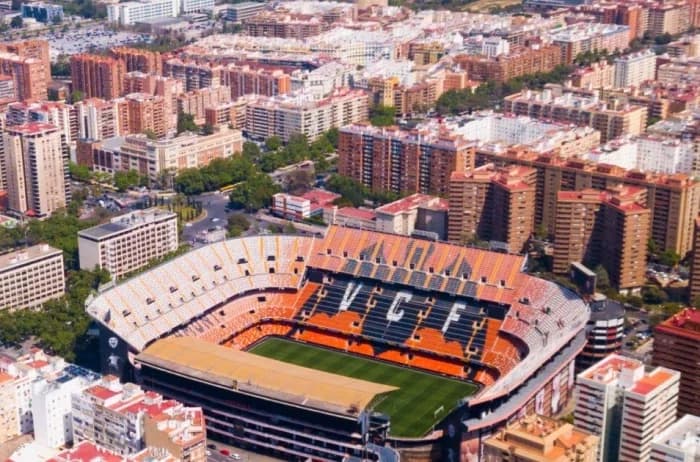
Mestalla Stadium stands as a testament to Valencia’s rich footballing legacy, blending history, fan culture, and architectural beauty, making it a vibrant hub for sports and community celebrations.
Mestalla Stadium (known as Estadio de Mestalla in Spanish and Estadi de Mestalla in Valencian) is recognized as one of the most renowned landmarks in Spanish football. Located in the vibrant city of Valencia, Spain, this historic site serves not only as the home ground for Valencia CF but also as a symbol of cultural and architectural significance. Since its opening on May 20, 1923, Mestalla has seen almost a century of football excellence, episodes of perseverance, and a profound bond with its local community.
Mestalla boasts a capacity of 49,430, making it the eighth-largest stadium in Spain and the largest in the Valencian Community. Positioned in the very center of Valencia, its location allows the city’s energy and vibrancy to infuse the stadium with excitement on matchdays. The name of the stadium is derived from the historic Mestalla irrigation canal, which dates back to the 10th and 11th centuries during the Arab dynasty. This canal, which was once situated next to the south stand of the stadium, serves as a significant reminder of the agricultural heritage and history of the region.
A key characteristic of Mestalla is its North Stand, famous for its steep incline, which provides fans with an exhilarating and close-up experience of the action. This feature not only intimidates visiting teams but also serves as a point of immense pride for supporters of Valencia.
Throughout the years, Mestalla has evolved into more than merely a football stadium—it has become a stronghold of tradition, a center of fan culture, and a venue for some of the most memorable moments in football history. Whether it’s hosting the Spanish national team or bearing witness to unforgettable matches in La Liga, the Copa del Rey, and the FIFA World Cup, Mestalla's importance reaches beyond Valencia and strikes a chord with football enthusiasts around the world.
Beyond its achievements in sports, Mestalla is significant from a cultural perspective. Its function during the Spanish Civil War as a concentration camp and storage facility underscores its resilience and ties to the broader narrative of Spain's history. Overcoming numerous challenges, including the catastrophic flood of 1957, the stadium has endured through the years, continually adapting and evolving with each new decade.
Currently, Mestalla stands as a dynamic emblem of Valencia's football culture, a venue where fervor intertwines with history, transforming each match into a joyous celebration of the beautiful game.
Legendary Matches
Mestalla Stadium has hosted numerous unforgettable matches, solidifying its reputation as an iconic site in the history of football:
These memorable events have ingrained Mestalla in the hearts of football fans globally, highlighting its significance as a venue for remarkable sporting moments.
Amenities & Services
Mestalla represents far more than just a football stadium; it stands as a bastion of fan culture and boasts cutting-edge facilities:
Although it retains a traditional design, Mestalla integrates its historical legacy with contemporary amenities, providing fans with a distinctive football experience.
Significance in History
Mestalla Stadium is a shining symbol of Spain's rich footballing legacy and highlights Valencia's crucial contribution to the history of the sport. Since its opening in 1923, the stadium has been the heart of Valencia CF, witnessing the rise of numerous football legends and hosting countless unforgettable moments that have secured its place in the records of both Spanish and global football.
In its formative years, Mestalla swiftly emerged as a hallmark of the burgeoning enthusiasm for football in Spain. The stadium's capacity enhancements during the 1920s mirrored the club’s swift ascent and the increasing fervor of its fans. By staging its inaugural international match in 1925, Mestalla started to cement its status as a key venue for major football events.
The historical importance of the stadium goes beyond just football. Throughout the Spanish Civil War, Mestalla served a unique and vital purpose as both a concentration camp and a storage site, illustrating the tumultuous socio-political conditions of the time. The conflict left significant damage in its wake, yet the subsequent rebuilding of the stadium symbolized a story of resilience and renewal, reflecting the enduring spirit of its city and its inhabitants.
The 1950s represented a significant turning point for Mestalla as extensive renovations took place to increase its capacity to 60,000 spectators. These upgrades established it as one of the foremost stadiums in Spain and prepared it to host important events, including matches during the 1982 FIFA World Cup. At that time, it was named Estadio Luis Casanova in tribute to the esteemed president of Valencia CF, positioning the stadium as a prime venue for the international tournament, attracting fans from around the globe and reinforcing its reputation as a worldwide icon.
Mestalla has played a significant role in the history of Spanish football, closely linked to the Copa del Rey. The stadium has been the venue for ten finals, featuring iconic encounters between Barcelona and Real Madrid, thus solidifying its reputation as a site of intense football rivalries in the country. Additionally, Mestalla has regularly served as the home ground for the Spanish national team, most notably during the 1992 Barcelona Olympics, where Spain’s U-23 team won the gold medal.
The stadium has also acted as a refuge for other clubs in times of need. Levante UD temporarily used Mestalla as their home, and Real Madrid hosted European Cup matches here while their own stadium was undergoing renovations. These instances highlight Mestalla’s significance not only to Valencia but to Spanish football as a whole.
Despite the progress of modernity, the stadium embodies a timeless allure. The ancient irrigation canal of Mestalla, which inspired the stadium's name, serves as a significant connection to the city’s cultural and historical heritage. The choice to change its name back from Estadio Luis Casanova to Mestalla in 1994 further solidified its status as a cherished symbol of Valencia.
Future Events
Mestalla Stadium remains a key location for hosting major football matches and other important events. As the home ground of Valencia CF, the stadium is central to the club's La Liga pursuits, with fans eagerly anticipating thrilling matchups against rivals like Barcelona, Real Madrid, and local competitors Villarreal in the Valencian derby. In addition to domestic league play, Mestalla frequently acts as a venue for Copa del Rey matches, a tournament in which the stadium boasts a rich history, having hosted numerous finals throughout its illustrious past.
International football plays a significant role in the events hosted at Mestalla. The stadium has been the venue for historic matches involving the Spanish national team and is anticipated to host future friendly games, UEFA Nations League matches, and possibly fixtures related to Spain's bid for the UEFA Euro 2032 tournament. The combination of Mestalla’s strategic location, lively atmosphere, and its revered status makes it a top choice for these events.
Moreover, the renowned Fallas Festival in Valencia draws numerous tourists to the city, and Mestalla’s strategic location means it plays a crucial role in local festivities. The stadium is also capable of hosting cultural or musical events, given its rich history and impressive stature, making it an appealing venue for entertainment beyond just football.
As we look to the future, the impending opening of the Nou Mestalla introduces a new chapter in the stadium's history. Although the arrival of Nou Mestalla will signify the start of a fresh era, the events held at Mestalla will provide a sentimental farewell for fans who treasure every final moment spent in this iconic venue.
Experience for Fans
Experiencing an event at Mestalla Stadium goes beyond simply watching a football game; it immerses you in a distinct and fervent atmosphere that embodies Valencia's passion for the sport. The vibrant sound of the crowd, particularly from the steep North Stand, generates an electrifying ambiance capable of unsettling opponents and uplifting the home team. The stadium’s design ensures that spectators are in close proximity to the action, allowing every goal, tackle, and celebration to feel profoundly personal.
For supporters, the experience of matchday starts well in advance of the kickoff. The Mestalla Stadium's prime location in the bustling city of Valencia ensures easy access, featuring excellent transport options such as buses, metro services, and convenient parking. The area surrounding the stadium is filled with vibrant cafes and bars where fans congregate to savor pre-match meals and drinks while engaging in lively conversations that amplify the anticipation as the game approaches.
Within the stadium, spectators enjoy contemporary facilities that harmoniously integrate with the historical essence of Mestalla. The venue provides comfort through well-kept seating areas and a variety of food and drink options, while maintaining its unique character. Special zones for families and features for accessibility ensure that the experience is inclusive for all attendees.
The Valencia CF Museum, situated within the stadium, is an essential stop for both club supporters and aficionados of football history. It features an impressive array of trophies, jerseys, and memorabilia, allowing guests to explore the rich history of the club. Additionally, guided tours of Mestalla offer an insider’s view of this iconic venue, granting access to areas such as the dressing rooms, press sections, and players’ tunnel, thus providing a distinctive insight into the stadium’s functions.